Saturday, 28 February 2015
Initial Storyboard
This is our initial storyboard for our film opening. Completing this allowed us to visualise what our opening would look like and plan out each shot carefully.
By Olivia Calver
Thursday, 26 February 2015
Possible Locations
It is important for us to consider multiple locations prior to filming so that we are able to find somewhere that is best suited to both our genre and our storyline. For our film opening we require a dark and dingy workshop or office space that can easily be lit in an eerie and partially threatening manner. The locations we plan on scouting are:
We plan on taking photos of all of these locations as well as a few seconds of footage so that we can see how each location looks on camera.
By Samuel Skinner and Olivia Calver
- Olivia's neighbour's garage
- Olivia's Grandfather's workshop
- Sam's Dad's Office
- A carpenter's workshop
By Samuel Skinner and Olivia Calver
Monday, 23 February 2015
Azier - Choosing The Name Of Our Film
The name of our film is Azier as this is the surname of our protagonist. The film is based around him and his life, therefore the title reflects this. It also refrains from giving away the narrative of the film, creating a high sense of ambiguity and therefore attracting audiences.
Film Title:
Posted by Samuel Skinner and Olivia Calver
Film Title:
Posted by Samuel Skinner and Olivia Calver
Proposed Film Titles Order For Our Opening
Time
|
Title No.
|
Title
|
Duration
|
|
Background Music Starts – 0:00
Background Music Ends – 1:30
|
0:00
|
1
|
Porcupine Productions
|
5.5 secs
|
0:06
|
2
|
JUSTPhilm
|
5 secs
|
|
0:14
|
3
|
Ramone Morgan
|
4 secs
|
|
0:18
|
4
|
Jessica Pointer
|
4 secs
|
|
0:23
|
5
|
AZIER
|
5 secs
|
|
0:30
|
6
|
Written and Directed by
Olivia Calver
|
5 secs
|
|
0:36
|
7
|
Produced by
Samuel Skinner
|
5 secs
|
|
0:46
|
8
|
Executive Producer
Holly Skinner
|
4 secs
|
|
0:51
|
9
|
Director of Photography
Alexis Brooker
|
3 secs
|
|
0:57
|
10
|
Production Designer
Ian Skinner
|
3 secs
|
|
1:05
|
11
|
Casting by
Luke Swift
|
3 secs
|
|
1:11
|
12
|
Edited by
Scott Thompson
|
3 secs
|
We plan for our film titles to run in this order as it reflects the order of titles in the thrillers we have looked at before. This will help the titles to elude towards our film's genre.
By Olivia Calver
Friday, 20 February 2015
Chosen Institution Logo
We have chosen to use the institutional logo designed by Samuel as its animation looks professional and much more like a real institutional logo and represents the theme of the company, and it's name, the best.
Posted by Samuel Skinner
Institutional Logo Designs By Group Members
![]() |
| Logo By Olivia Calver |
Logo by Samuel Skinner
Post by Samuel Skinner
Tuesday, 17 February 2015
Institutional Logo Research
The institutional logos used for film companies will differ in quality dependent on whether the production company is an independent or mainstream company.
Independent production companies such as Strike will have much less money than mainstream companies and therefore they will be less willing to spend their budget on big, fancy logos. The logo will help to establish the company and will often be more suitable for the specific genre which the company are usually associated with. They also are unlikely to be accompanied by their own soundtrack/ tune. You can see this in the Strike logo, who are most commonly recognised for their action films:
(Strike Logo starts at 0:11 and ends at 0:21)
Mainstream production companies such as 20th Century Fox have higher budgets and therefore are able to spend money on a more extravagant logo. They are suitable for all film genres as mainstream production companies will never be specifically targeted to one genre and therefore their logo needs to be versatile. Mainstream institutional logos are often accompanied by a matching soundtrack/ tune which is recognisable. This is evident with the 20th Century Fox logo:
By Olivia Calver and Samuel Skinner
Independent production companies such as Strike will have much less money than mainstream companies and therefore they will be less willing to spend their budget on big, fancy logos. The logo will help to establish the company and will often be more suitable for the specific genre which the company are usually associated with. They also are unlikely to be accompanied by their own soundtrack/ tune. You can see this in the Strike logo, who are most commonly recognised for their action films:
(Strike Logo starts at 0:11 and ends at 0:21)
Mainstream production companies such as 20th Century Fox have higher budgets and therefore are able to spend money on a more extravagant logo. They are suitable for all film genres as mainstream production companies will never be specifically targeted to one genre and therefore their logo needs to be versatile. Mainstream institutional logos are often accompanied by a matching soundtrack/ tune which is recognisable. This is evident with the 20th Century Fox logo:
By Olivia Calver and Samuel Skinner
Sunday, 15 February 2015
Characters In Our Opening
The only significant character that will be featured in the opening of our film is Max Azier. This is because he is both the protagonist and antagonist of the film and therefore we wish for the audience's attention to be drawn to and focused upon this idea. Max Azier is the street magician and to make this evident we need to include some extras for him to be able to complete his tricks for them. We decided to use two young children as the extras as they are more impressionable and therefore it would be more realistic for them to become astounded by the magician's simple tricks.
Max Azier;
We wish to cast a black protagonist as this is stereotypical and therefore would immediately cause intrigue within the audience. It also allows for a more diverse narrative.
Extras;
We wish to cast young children as the extras for the reasons previously stated.
By Olivia Calver
Max Azier;
We wish to cast a black protagonist as this is stereotypical and therefore would immediately cause intrigue within the audience. It also allows for a more diverse narrative.
Extras;
We wish to cast young children as the extras for the reasons previously stated.
By Olivia Calver
25 Word Brief
Street magician gains book that gives him super natural abilities but also creates a dark version of himself that causes chaos which he must stop.
By Samuel Skinner
By Samuel Skinner
Friday, 13 February 2015
What To Consider When Developing Our Film Opening
When it comes to developing our film opening we need to consider what affects the scene will have on the audience. We need to set up the tone of the film so that the audience knows what to expect but not do anything that might leave someone traumatised, such as live action, extreme violence that could leave someone distraught. We would also want to prevent the possibility of younger veiwers being haunted by what they've seen.
Posted By Samuel Skinner
Thursday, 12 February 2015
How We Will Attract Audiences
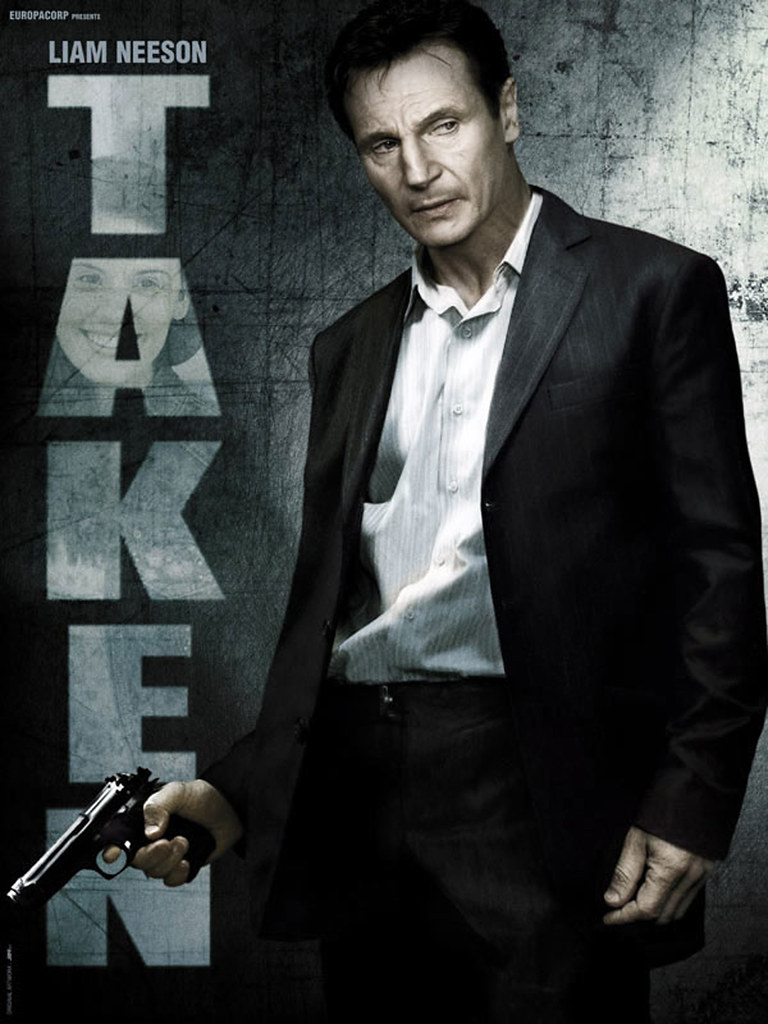
We aim to attract audiences by creating high levels of ambiguity and intrigue. By creating questions within the opening, much like in Se7en, Texas Chainsaw Massacre: The Beginning and Gone Girl, it causes the viewer to become enticed by the film as they desire to find the answers to their questions. This is a simple and yet highly effective method to sustain an audience. However, our main challenge will be initially attracting to go and watch the film so that they experience the opening. If we were creating an entire film, we would do this by creating teaser trailers as well as using promotional features such as posters, website ads and social networking in much the same way as Taken does.
By Olivia Calver
By Olivia Calver
Tuesday, 10 February 2015
Our Film Certificate
For our film certificate we will most likely be a 15 as our plot dips in and out of paranormal themes and a higher rating will allow us to explore the grittier side of this in more depth, not limiting us as much in terms of violence and gore. Although it damages our potential audience numbers by removing children and families from the equation, it gives us the chance to make a film that older and more mature members can enjoy as it feels more realistic. This is good as some of the more paranormal features will seem really artificial if the necessary effects can't be used.
Posted By Samuel Skinner
Monday, 9 February 2015
Thriller Title Timelines
After deciding on the genre for our film opening, it was important to revisit title timelines we had previously completed so as to see whether thrillers had a different order or method of displaying titles to other genres. To ensure we were not solely basing our evidence off one film, we looked at four thriller title sequences, much the same as before, this time paying even closer attention to the presentation of the titles as well as just the order and duration. The titles in Gone Girl are extremely discreet and do not obstruct the scene in any way. This juxtaposes with the Se7en titles as the majority are shown separate from the scene and are animated. The titles for Da Vinci code are a lot shorter than the others as it's mainly about setting up the mystery of the plot using the animations. The titles for Dark Knight Rises on the other hand are integrated into the scene and are important as what the scene is setting up introducing the cast and mood the film is set around. This shows that the titles used for thrillers vary greatly and therefore we are able to create titles which best suit our narrative, rather than the genre itself.
We aim to use this theory when creating our own titles by having each title last for roughly 3 seconds and being in the order which best suits our opening. We know that the most important titles for us to include is the actors, producer/s, editors and director/s.
By Olivia Calver and Samuel Skinner
The Da Vinci Code Titles Timeline
The Dark Knight Rises Title Timeline
Gone Girl Titles Timeline
Se7en Titles Timeline
We aim to use this theory when creating our own titles by having each title last for roughly 3 seconds and being in the order which best suits our opening. We know that the most important titles for us to include is the actors, producer/s, editors and director/s.
By Olivia Calver and Samuel Skinner
The Da Vinci Code Titles Timeline
|
Time
|
Title No.
|
Title
|
|
00:00 - 00:22
|
1
|
Columbia Picures Pressents |
|
00:26 - 00:30
|
2
|
In Assocation With Imagine Entertainment |
|
00:44 - 00:47
|
3
|
Starring Tom Hanks |
|
00:56 - 00:59
|
4
|
Sir Ian Mckellen / Audrey Tautau |
|
01:03 - 01:07
|
5
|
Paul Benttany / Jean Keno |
|
01:09 - 01:11
|
6
|
Visual Effects by Ooable Negative |
|
01:21 - 01:27
|
7
|
Produced and Directed By Ron Howard |
|
01:29 - 01:34
|
8
|
Based on the Novel By Oan Brown |
|
01:40 - 01:43
|
9
|
The Da Vinci Code (Main Title) |
The Dark Knight Rises Title Timeline
Time
|
Title No.
|
Title
|
00:00 - 00:14
|
1
|
Warner Bros institional logo
|
00:15 - 00:27
|
2
|
Legendary Pictures institional logo
|
00:29 - 00:41
|
3
|
DC Comics Instition logo
|
00:41 - 00:43
|
4
|
Syncopy
|
00:43 - 00:46
|
5
|
A Warner Bros Picture Presents
|
00:46 - 00:49
|
6
|
In Assotiation with Ledgendary Pictures
|
00:50 - 00:52
|
7
|
A DC Comic Production
|
00:53 - 00:54
|
8
|
A Syncopy Production
|
00:56 - 00:59
|
9
|
A Film By Christopher Nolan
|
01:06 - 01:08
|
10
|
The Dark Knight Rises (main title)
|
01:09 - 01:11
|
11
|
Christian Bale
|
01:13 - 01:14
|
12
|
Micheal Craine
|
01:16 - 01:17
|
13
|
Garry Oldman
|
01:19 - 01:20
|
14
|
Anne Hatheway
|
01:22 - 01:24
|
15
|
Tom Hardy
|
01:25 - 01:27
|
16
|
Joseph Gordon - Levitt
|
01:29 - 01:30
|
17
|
Marion Cotilard
|
01:33 - 01:34
|
18
|
Morgan Treeman
|
01:53 - 01:54
|
19
|
Based upon Batman charters By Bob Kane
|
01:56- 01:57
|
20
|
Screenplay By Jonathen Nolan / Christopher Nolan
|
01:59 - 02:00
|
21
|
Story By Christopher Nolan / David S.Goyer
|
02:02 - 02:04
|
22
|
Executive producer Benjimin Melniker / Micheal E.Uslan / Thomas Tull
|
02:19 - 02:21
|
23
|
Dirrected By Christopher Nolan
|
Gone Girl Titles Timeline
Time
|
Title No.
|
Title
|
Duration
|
|
Background Music Starts – 0:00
Background Music Ends – 1:45
|
0:03
|
1
|
Columbia Pictures And
Metro Goldwyn-Mayer Pictures Present
|
1 sec
|
0:10
|
2
|
A David Fincher Film
|
1 sec
|
|
0:22
|
3
|
Ben Affleck
|
3 secs
|
|
0:31
|
4
|
Rosamund Pike
|
3 secs
|
|
0:36
|
5
|
New Regency Pictures And Pacific Standard
|
4 secs
|
|
0:42
|
6
|
Courtney Martin
|
2 secs
|
|
0:48
|
7
|
Kelsey Wickre
|
2 secs
|
|
0:51
|
8
|
Featuring
Carrie Coon
Emily Ratjkowski
Neil Patrick Harris
Tyler Perry
|
3 secs
|
|
0:59
|
9
|
Music By
Morgan Pfiffner
|
3 secs
|
|
1:13
|
10
|
Produced By
Leslie Dixon
Bruna Papandrea
Reese Witherspoon
|
4 secs
|
|
1:22
|
11
|
Cinematography By
Jeff Cronenweth
|
3 secs
|
|
1:33
|
12
|
Based On A Novel By
Gillian Flynn
|
2 secs
|
|
1:43
|
13
|
GONE GIRL
|
2 secs
|
Se7en Titles Timeline
Time
|
Title No.
|
Title
|
Duration
|
|
Background Music Starts – 0:00
Background Music Ends – 2:10
|
0:03
|
1
|
New Line
Cinema
Presents
|
2 secs
|
0:06
|
2
|
An Arnold Kopelson
Production
|
2 secs
|
|
0:10
|
3
|
A Film By
David Fincher
|
1 sec
|
|
0:13
|
4
|
Brad Pitt
|
2 secs
|
|
0:18
|
5
|
Morgan Freeman
|
2 secs
|
|
0:24
|
6
|
Se7en
|
4 secs
|
|
0:29
|
7
|
Gwyneth Paltrow
|
2 secs
|
|
0:33
|
8
|
Richard Roundtree
|
2 secs
|
|
0:38
|
9
|
R. Lee Ermy
|
1 sec
|
|
0:41
|
10
|
John C. McGinley
|
2 secs
|
|
0:46
|
11
|
Julie Araskog Mark Boon
Junior
|
2 secs
|
|
0:53
|
12
|
John Cassini
Reginald E. Cathy Peter Crombie
|
3 secs
|
|
0:56
|
13
|
Hawthorne James Michael
Massee
Leland Orser
|
3 secs
|
|
1:03
|
14
|
Richard Portnow
Richard Schiff Pamala Tyson
|
3 secs
|
|
1:10
|
15
|
Casting By
Billy Hopkins, Suzanne Smith
Kerry Borden
|
3 secs
|
|
1:16
|
16
|
Music By
Howard Shore
|
2 secs
|
|
1:21
|
17
|
Costumes
Designed By Michael Kaplan
|
2 secs
|
|
1:24
|
18
|
Edited By
Richard Francis-Bruce
|
1 sec
|
|
1:26
|
19
|
Production Designed By Arthur Max
|
2 secs
|
|
1:34
|
20
|
Director of
Photography Darius Khondji
|
2 secs
|
|
1:39
|
21
|
Co-Producers Stephen Brown
Nana Greenwald Sanford
Panitch
|
2 secs
|
|
1:43
|
22
|
Co-Executive Producers
Lynn Harris Richard
Saperstein
|
3 secs
|
|
1:49
|
23
|
Executive Producers
Gianni Nunnari Dan
Kolsrud Anne Kopelsum
|
3 secs
|
|
1:52
|
24
|
Andrew Kevin Walker
Written By
|
2 secs
|
|
1:58
|
25
|
Produced By
Arnold Kopelson Phyllis
Carlyle
|
2 secs
|
|
2:03
|
26
|
Directed By David Fincher
|
3 secs
|
Subscribe to:
Comments (Atom)